Exploring the Pros and Cons of Colour Drenching Your Room for a Bold Makeover

Transforming a room with a single, bold colour can create a striking effect that completely changes the atmosphere. Colour drenching, the technique of painting all walls and sometimes ceilings and trim in one strong hue, has gained popularity among interior design enthusiasts looking for a dramatic update. But before you grab that paint roller and dive in, it’s important to weigh the benefits and drawbacks of this daring approach. This post explores the pros and cons of colour drenching your room, helping you decide if this bold makeover suits your style and space.
What Is Colour Drenching?
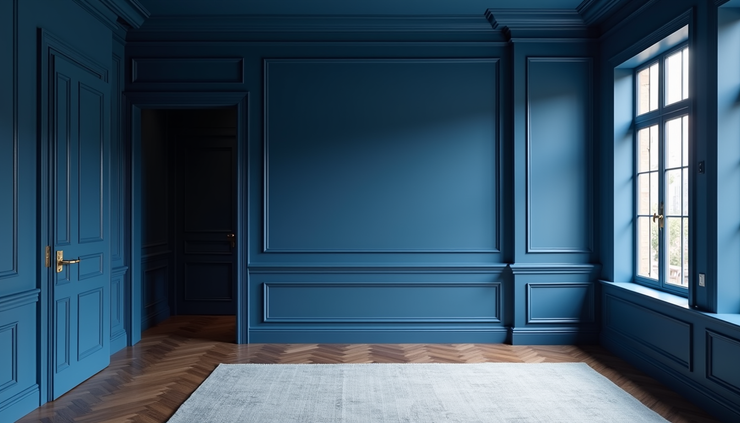
Colour drenching means covering every surface in a room with the same colour, including walls, ceiling, and sometimes even doors and trim. Unlike accent walls or partial colour schemes, this method immerses the entire space in one shade. The result is a unified, intense environment that can feel cozy, dramatic, or energizing depending on the colour chosen.
This technique is not new but has seen a resurgence as people seek unique ways to personalize their homes. Colour drenching can work in any room, from bedrooms and living rooms to kitchens and bathrooms, but it requires careful planning.
Advantages of Colour Drenching Your Room
Creates a Strong Visual Impact
One of the biggest draws of colour drenching is the immediate visual statement it makes. A room painted entirely in a bold colour grabs attention and stands out from typical neutral palettes. This can be especially effective in spaces where you want to express personality or create a memorable atmosphere.
For example, a deep emerald green in a dining room can feel luxurious and inviting, while a bright mustard yellow in a kitchen can energize the space and stimulate appetite.
Enhances Room Cohesion
Using one colour throughout a room eliminates visual breaks and distractions, making the space feel more cohesive. This can help smaller rooms appear larger because the eye moves smoothly across surfaces without interruption.
Colour drenching also simplifies decorating choices. When the walls, ceiling, and trim share the same hue, furniture and accessories can either blend in or contrast boldly, depending on your preference.
Highlights Architectural Features
When a room is drenched in one colour, architectural details like moldings, built-in shelves, or fireplaces become part of the overall colour story. This can either make these features blend seamlessly or stand out if painted in a different finish or shade of the same colour.
For instance, a matte finish on walls paired with a glossy finish on trim in the same colour can add subtle texture and interest without breaking the colour flow.
Encourages Creativity in Decorating
A fully coloured room invites creative decorating choices. You can play with textures, patterns, and materials to add depth and dimension. For example, in a room drenched in a rich blue, adding velvet cushions, metallic lamps, or natural wood furniture can create a layered, sophisticated look.
Colour drenching also allows you to experiment with monochromatic schemes, using lighter or darker tones of the same colour for furniture and accessories.
Disadvantages of Colour Drenching Your Room
Can Feel Overwhelming or Claustrophobic
One of the main risks of colour drenching is that the intensity of a single colour can overwhelm the senses, especially in small or poorly lit rooms. Dark or very bright colours can make a space feel smaller or claustrophobic, which may reduce comfort.
For example, a small bedroom drenched in a dark red might feel too intense for restful sleep. Similarly, a bright orange kitchen could become visually tiring after a while.
Limits Flexibility in Future Redecorating
Once a room is drenched in a bold colour, changing the look later can be more challenging and time-consuming. Repainting all surfaces takes effort and expense, especially if the colour is dark or highly pigmented.
This means you might feel locked into your colour choice longer than with more neutral or partial colour schemes. If your tastes change frequently, colour drenching might not be the best option.
Requires Careful Colour Selection
Choosing the right colour for drenching is crucial. Not all colours work well when applied to every surface. Some shades can alter how light behaves in the room, affecting mood and perception.
For example, cool colours like blues and greens tend to recede and can make a room feel larger, while warm colours like reds and yellows advance and can make a space feel cozier but smaller. Testing samples in different lighting conditions is essential before committing.
May Affect Resale Value
Bold colour choices can be polarizing for potential homebuyers. While some may love the dramatic effect, others might see it as a drawback. Neutral colours generally appeal to a wider audience and make it easier to sell a home.
If you plan to sell your property soon, consider whether colour drenching aligns with market preferences or if it might limit your pool of buyers.


Comments